

Campus Life and Learning Experience: What International Students Should Expect in Aviation Colleges
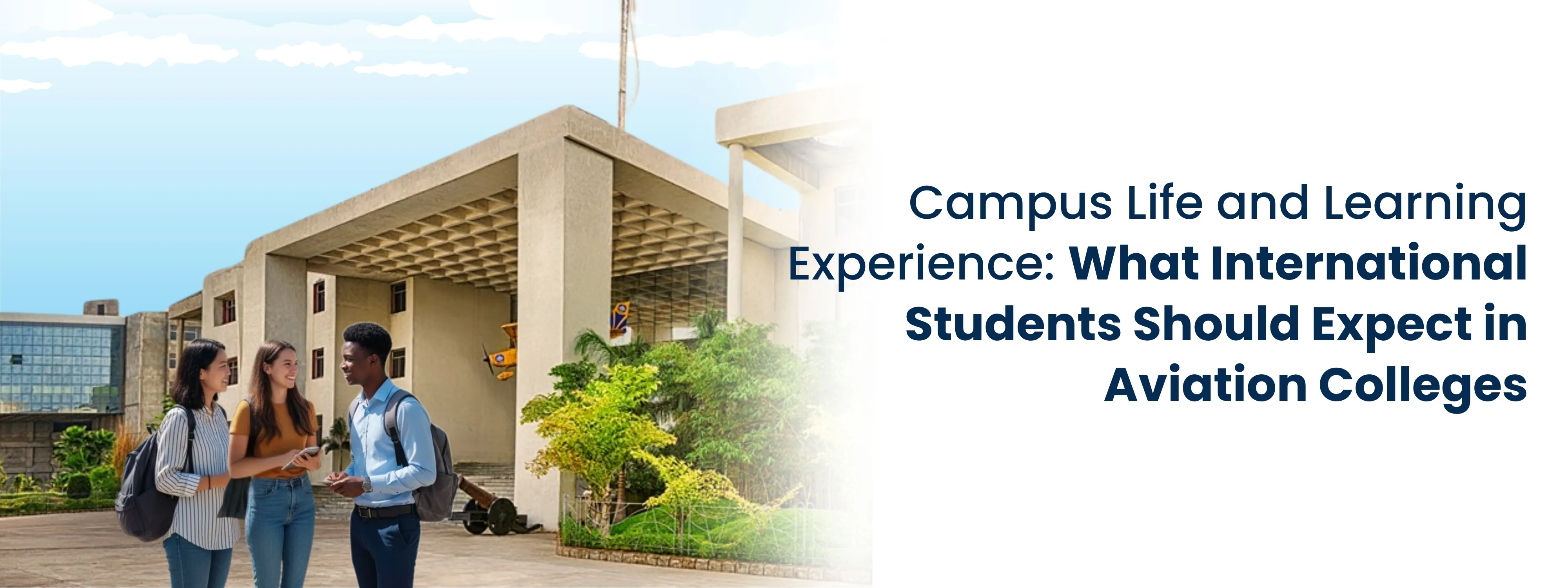
Choosing to study aviation is an exciting decision, but deciding to pursue it in a new country is an even bigger step. Aviation colleges across the world welcome students from different cultures, backgrounds, and languages, creating a vibrant and diverse learning environment. For international students, the experience is not limited to classrooms and technical training. It includes adapting to a new lifestyle, adjusting to new surroundings, and becoming part of an educational community that prepares them for global careers. Understanding what campus life and learning feel like can make the journey smoother, more enjoyable, and far more meaningful.
A Supportive and Multicultural Environment
International students often arrive with the hope of finding a place where they can feel comfortable, confident, and motivated. Aviation colleges usually offer exactly that. The campus environment is designed to be inclusive and welcoming. Students meet classmates from various countries, share cultural experiences, exchange ideas, and gradually build friendships that continue long after graduation.
This multicultural atmosphere is one of the strongest benefits of studying aviation abroad. It helps students learn how to collaborate in diverse teams and understand different perspectives, both of which are essential skills in the global aviation industry. Living and studying with peers from around the world encourages open mindedness, respect, and adaptability, all qualities that make students more successful in their careers.
A Learning Culture That Combines Theory and Practical Experience
Aviation education focuses heavily on understanding how aircraft operate and how aviation systems function. This means the learning experience is a mix of theoretical lessons and practical training. International students can expect a structured academic routine that covers subjects like aerodynamics, aircraft systems, materials, safety regulations, digital technology, and maintenance practices.
However, the learning does not end with textbooks. Students spend time in workshops, laboratories, and training areas where they practice skills that reflect real aviation environments. They work with aircraft components, tools, engines, and digital systems that help them develop confidence in applying what they have learned.
This balanced approach keeps the learning process engaging and helps students understand the importance of precision, discipline, and technical accuracy in aviation.
Hands On Aircraft Training and Exposure to Real Aviation Settings
One of the most exciting parts of studying at an aviation college is the exposure to actual aircraft and real maintenance environments. Many institutes have training aircraft, advanced simulators, and well equipped hangars where students can observe and practice real procedures. These experiences are essential for international students because they offer a clear picture of what aviation professionals do every day.
Students might participate in inspections, troubleshooting exercises, component removals, digital diagnostic training, and practical maintenance tasks. This hands-on training helps them build confidence and prepares them for the responsibilities they will take on in their future careers. It also provides clarity on how the aviation industry works, how teams coordinate tasks, and how safety procedures are followed with absolute precision.
Friendly Faculty and Mentors Who Guide Students
International students often worry about how they will adjust to a new academic system. The presence of friendly and experienced faculty members helps reduce this stress. Aviation instructors usually have strong industry backgrounds and bring real aviation knowledge into the classroom. They guide students patiently, help them understand complex concepts, and offer support whenever needed.
Faculty members understand that international students may take time to adjust to new teaching styles, languages, and educational expectations. Most aviation colleges encourage open communication, allowing students to ask questions, share their concerns, and receive guidance without hesitation.
This supportive approach builds trust and helps students feel more confident both academically and personally.
Life Outside the Classroom
Campus life extends far beyond the academic schedule. Aviation colleges provide various student facilities that help international learners settle comfortably into daily routines. These may include hostels or accommodation options, sports areas, cafeterias, libraries, study halls, and recreational spaces. Many campuses also organise cultural programs, workshops, and student events where learners can participate, interact, and take breaks from their regular studies.
For international students, these activities play an important role in reducing homesickness and helping them adapt to new surroundings. Being part of campus life makes their stay more enjoyable and helps them develop a sense of belonging.
A Safe and Well Managed Campus Environment
Safety is always a top priority for international students and their families. Aviation colleges take this responsibility seriously. Campuses are usually monitored, well organised, and designed to provide a secure environment for all students. Safety rules and regulations are followed strictly, especially because aviation training itself requires discipline and attention.
Students can expect clear guidelines, well maintained facilities, and a campus culture that values respect, cooperation, and responsibility. This helps them focus fully on learning without worrying about their personal safety or daily comfort.
Support Services That Help Students Adjust
Many aviation colleges offer dedicated support services to assist international students with their transition. These services may include orientation programs, academic counselling, language support, administrative guidance, and assistance with adapting to campus rules and cultural differences.
These support systems make the journey smoother for new students who may feel overwhelmed by the changes. They also help them manage challenges such as adjusting to new food, weather, communication styles, or study patterns.
Preparing Students for a Global Aviation Future
Studying aviation abroad is not just about earning a qualification. It is about building confidence, independence, and resilience. International students learn how to work with people from different cultures, understand global standards, and adapt to fast changing environments. These qualities are highly valued in the aviation sector, where teamwork, clear communication, and global awareness matter just as much as technical skills.
Aviation colleges introduce students to modern tools, digital systems, safety procedures, and real world expectations so they are well prepared for international careers. By the time they graduate, students have gained not only academic knowledge but also life skills that help them stand out in the aviation field.
Campus life in aviation colleges offers international students a complete learning experience that goes beyond classrooms and textbooks. It is a combination of advanced training, multicultural interactions, supportive faculty, and personal growth opportunities. For students looking to build a strong future in the global aviation industry, this environment provides the perfect foundation for long term success.