

What Makes Aviation Engineering a Top Career Choice in a Globalised World?
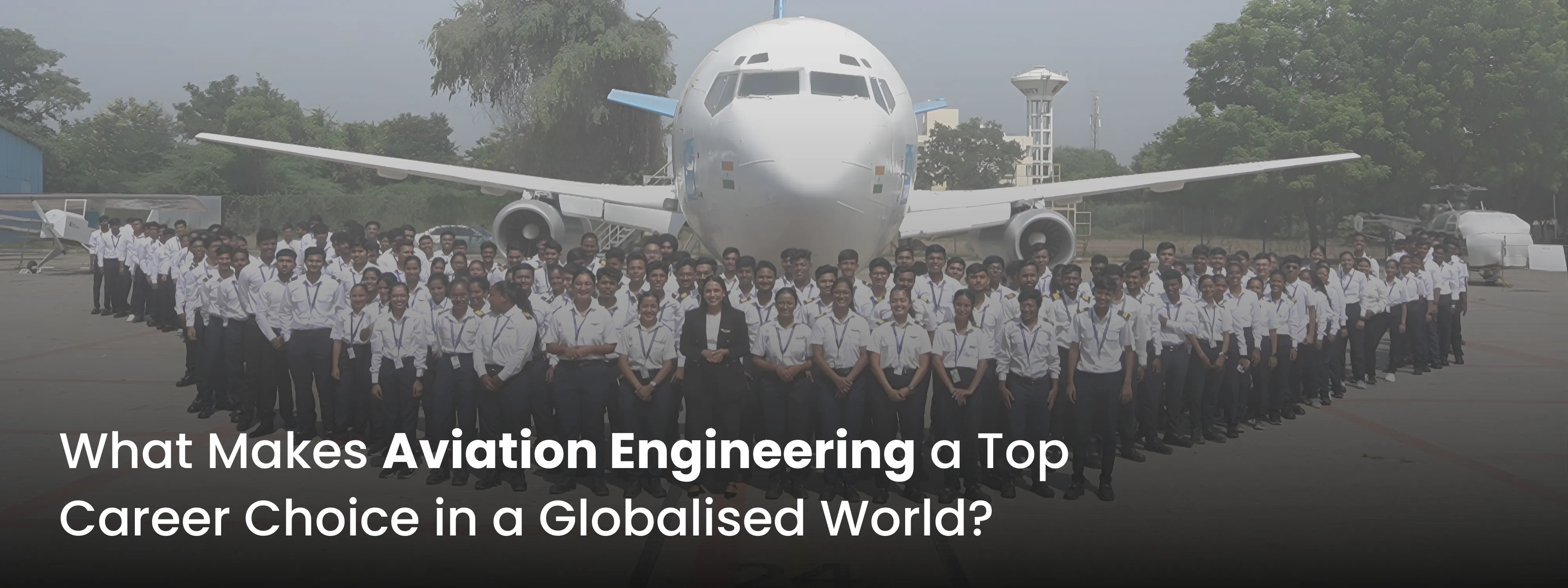
Aviation has always captured the imagination of people, but in today’s global landscape, it has become much more than a fascination. It has evolved into one of the most influential industries shaping the way the modern world connects, travels, and conducts business. As globalisation brings countries closer and expands economic and cultural links across continents, the aviation sector continues to grow at an impressive pace. This growth has created a strong demand for trained professionals who can design, maintain, and ensure the safe operation of aircraft. As a result, aviation engineering has become one of the most attractive and rewarding career paths for students who aim to build a future that offers stability, innovation, and global exposure.
A Rapidly Expanding Global Aviation Industry
The need for aviation engineers is directly linked to the rising number of flights, expanding airline fleets, and the development of new aircraft technologies. Millions of people travel internationally each day, and countries across the world rely on air transport for tourism, trade, business expansion, emergency services, and cargo movement. The increasing volume of air travel has encouraged airlines to purchase new aircraft, upgrade existing ones, and adopt advanced technology for improved safety and efficiency.
To keep pace with these changes, the aviation industry constantly looks for trained engineers who can work on aircraft structures, engines, electronics, digital systems, and new-age materials. This consistent rise in demand makes aviation engineering a secure career option for students seeking long-term growth in a global field.
A Profession With Opportunities Across Borders
Aviation engineering is unique because it is not limited by geographic boundaries. Aircraft maintenance practices, safety standards, and engineering principles are supervised by international aviation authorities. These global standards mean that an engineer who is trained in one country can work in many others with relative ease. This opens the door to employment opportunities in large international airlines, aircraft manufacturing companies, research organisations, and aircraft maintenance organisations across various countries.
Students who aspire to work abroad or build an international profile find this field particularly appealing. Aviation engineers often collaborate with experts from different countries, participate in global projects, and gain exposure to the latest technologies being used around the world. This international compatibility makes the profession ideal for students who want a career that connects them with diverse cultures and global workplaces.
A Strong Combination of Theory and Practical Training
One of the most engaging aspects of aviation engineering is the balance between theoretical knowledge and practical, hands-on learning. The field demands a deep understanding of aerodynamics, materials, electronics, computer systems, and mechanical processes. However, students are not limited to classroom learning. They regularly participate in practical sessions, workshops, laboratory demonstrations, and real aircraft inspections that help them understand how theoretical concepts function in real life.
This approach builds confidence and shapes problem-solving abilities. Students learn how aircraft systems operate, how maintenance procedures are executed, and how inspections are conducted with precision. Many institutions also use simulators and modern training equipment to help learners experience real aviation environments. This blend of learning prepares students for the fast-paced demands of the aviation industry and gives them a competitive edge when they step into professional roles.
A Career Built on Innovation and Technological Advancement
Aviation engineering is an ideal choice for students who want to work in a field where innovation never slows down. Every year, new aircraft models, smart avionics, improved engine designs, and eco-friendly aviation technologies are introduced. Engineers are deeply involved in these advancements. They work on research projects, test new concepts, improve aircraft performance, and contribute to the development of next generation technology.
Green aviation has also become a major global priority. Countries are investing in cleaner fuels, electric propulsion systems, lightweight materials, and aerodynamically efficient designs. Students who enter this field today can look forward to participating in groundbreaking innovations that will shape the future of flight. This constant evolution ensures that the career remains stimulating and rewarding throughout a professional’s life.
A Highly Respected Profession With Direct Impact on Safety
The aviation industry is one of the most safety-sensitive sectors in the world. Engineers are responsible for ensuring that every part of an aircraft meets safety regulations and performs exactly as expected. Their work has a direct impact on the well-being of passengers, crew, and cargo. This responsibility makes aviation engineering a respected profession built on trust, precision, and expertise.
Students who choose this field often find satisfaction in knowing that their skills contribute to global safety and connectivity. The sense of responsibility and achievement that comes with this role is something that many other careers do not provide.
Excellent Career Growth and Long-Term Stability
As long as people travel and global trade continues, the aviation sector will keep expanding. This steady growth creates long-term stability for professionals in aviation engineering. Career roles are available in various areas such as design engineering, aircraft maintenance, quality control, manufacturing, airport operations, and research. Engineers can grow into senior technical roles, leadership positions, or specialised fields like avionics, propulsion systems, and digital aviation technologies.
The continuous need for skilled engineers ensures strong career prospects not only at the start but throughout the professional journey.
In a world where globalisation connects communities and economies like never before, aviation engineering stands out as a future-ready career with exceptional opportunities. It offers the perfect mix of global mobility, technological excitement, hands-on experience, and long-term stability. For students who dream of a career that takes them beyond borders while allowing them to contribute to one of the world’s most important industries, aviation engineering is a path worth considering.